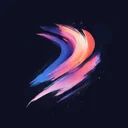
What sells the oil look
Three things read instantly as oil paint: visible directional brushstrokes, colors mixing on the canvas, and thick impasto that catches light. Smooth, blended digital painting is the opposite of this. The goal here is to leave your marks showing on purpose. Start by installing a proper kit — see the best Procreate oil painting brushes.
1. Block in with opaque color
Unlike watercolor, oil is opaque, so you can paint light over dark freely. Block your big shapes with a bristle brush at full opacity, following the form with the direction of your strokes. Don't smooth anything yet — keep it chunky and confident.
2. Mix color on the canvas
The heart of the oil effect is wet-into-wet mixing. Use a brush with color dynamics or smudge so dragging through two adjacent colors creates a streaky transition between them, rather than a clean gradient. Those imperfect, mixed edges are what make it look like real paint. Lean on your blender brushes here, but keep their texture on.
3. Build directional brushwork
Let your strokes describe the form — curve them around a cheek, run them along a tree trunk, fan them out in the sky. Vary stroke length and pressure so no two marks look identical. This rhythm of marks is the difference between a painting and a photo with a filter.
4. Add impasto highlights
Switch to an impasto brush for your thickest lights — the glint on a nose, the sparkle on water, the brightest petal. The baked-in highlight and shadow make these strokes appear raised. Use them only where paint would genuinely pile up; impasto everywhere reads as noise. For faces, combine this with the techniques in painting realistic skin.
5. Unify with canvas texture
Drop a canvas-weave texture on an overlay layer at low opacity. This single step ties all your separate strokes onto one surface and adds the woven tooth that real oils sit on. Finish with a Curves adjustment to deepen contrast.
Embrace the imperfection
Oil painting rewards decisiveness. If you find yourself blending a passage for the fifth time, stop — you're erasing the very texture that makes it look like oil. Lay marks, leave them, move on. For how this fits a complete piece, see the full Procreate painting workflow, and download brushes from the oil painting collection.